Good to know
What Size Sink Fits Your Cabinet? Measure This First
Take your cabinet width and subtract 3 inches. A 36-inch cabinet takes a sink up to about 33 inches, and a 33-inch cabinet takes about 30. Then check the minimum cabinet on the spec sheet of the sink you like, because that number wins.
Disclosure: This page contains affiliate links (marked with *). If you buy through them, we earn a small commission at no extra cost to you. As an Amazon Associate I earn from qualifying purchases. Learn more
In short
Sink base width minus 3 inches is the largest sink you should buy, Yale Appliance says. So a 36-inch cabinet fits a sink of up to about 33 inches, and a 30-inch sink needs at least a 33-inch cabinet. Measure the cabinet, not the old sink. The maker's minimum cabinet always wins over the rule.
On this page
The rule is simple: sink base width minus 3 inches is the largest sink you should buy. That's how Yale Appliance puts it. The sink's rim needs room on each side, and an undermount's lip has to rest on the counter.
Cabinet check
Look for a sink up to about
33 in
Rule of thumb: cabinet width minus 3 inches, from Yale Appliance. The minimum cabinet on the sink's spec sheet always wins, and some makers ask for more.
How to measure, in three steps
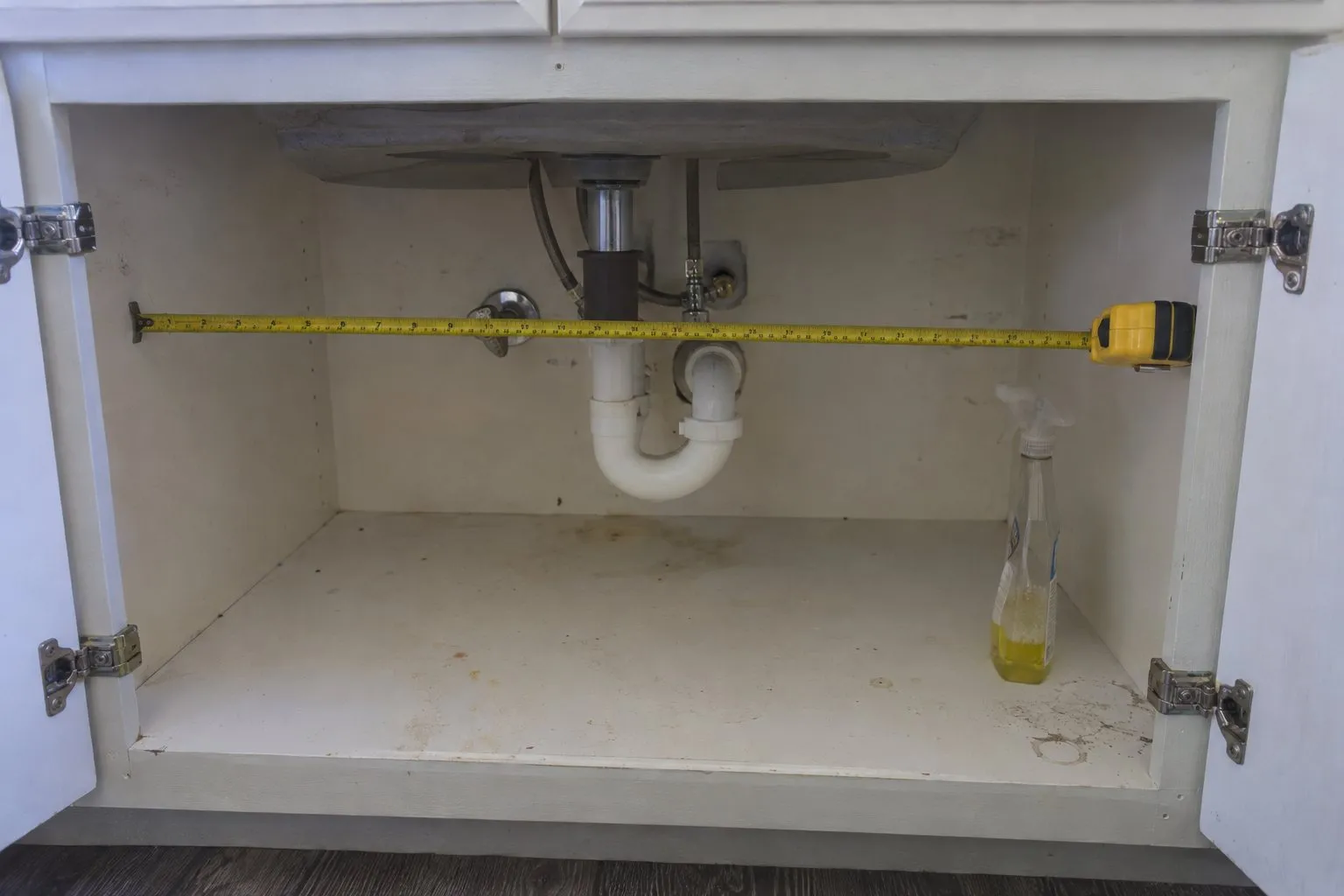
Measure the cabinet width
Measure the sink base from side to side. Most sink bases have a label or a catalog name such as 36, and the tape tells you if yours really is that.Measure front to back
Measure from the back wall to the front of the counter. KRAUS, for one, asks for 24 inches front to back as well as 36 wide on the KHU100-32.Look under the sink
Note the drain, the supply lines and anything else in the way, such as a disposal. You'll need the room for them.
Sizes from the spec sheets
These are the figures the makers publish for sinks on this site. They agree with the rule, with one exception worth reading about.
| Sink | Outside width | Minimum cabinet (maker) |
|---|---|---|
| Ruvati RVM4136 (bar) | 12-3/4 in | 15 in |
| BOCCHI Classico 30 (farmhouse) | 30 in | 33 in (retailer listing) |
| KRAUS KHU100-32 | 32 in | 36 in wide, 24 in front to back |
| Ruvati RVM4350 | 32-1/4 in | 36 in |
| Ruvati RVL2300WH (farmhouse) | 32-3/4 in | 36 in |
| Delta Lorelai 33 | 33 in | 36 in |
| Kohler Task 33 | 33 in nominal | 36 in |
| Kohler Whitehaven (farmhouse) | 35-3/4 in nominal | 36 in apron base |
The exception is the big Whitehaven: Kohler sells a nearly 36-inch sink for a 36-inch base. Apron sinks work differently, so they have their own size guide. Even there, makers disagree with each other and sometimes with themselves.
When the old hole matters
If you're keeping the counter, the old cutout matters as much as the cabinet. A drop-in must cover the old hole, and a hole that's too small must be cut bigger. Bob Vila calls a same-size drop-in swap the simple job and a new hole or shape the harder one. Our drop-in guide goes through it.
An undermount needs a counter cut to fit the sink, so changing one usually means dealing with the counter too. See undermount or drop-in.
Tight on width?
Yale Appliance points out that a deeper bowl can win back capacity in a smaller cabinet. If your cabinet is narrow, go for depth before width. Deep sinks shows which picks reach 10 inches. For a very tight spot or a second sink, see small sinks.
What about apron sinks?
The rule works differently for them. The sink becomes part of the cabinet front, and it rests on supports inside. Yale Appliance says an apron sink needs about 1.5 inches of clearance on each side. The Sink Boutique and Signature Hardware both say about 3 inches wider than the sink. Farmhouse sink sizes has the details.
Once it fits, choose the rest
With the size settled, the next choices are the mounting, the bowl layout and the gauge. For a 36-inch cabinet and a solid counter we'd start with the KRAUS KHU100-32*. Every other pick is on the best sinks page, and our questions page answers the common pairings one at a time.
Asked before buying
What size sink fits a 36-inch cabinet?
A sink up to about 33 inches. The KRAUS KHU100-32 (32 inches), the Ruvati RVM4350 (32-1/4 inches), the Delta Lorelai (33 inches) and the Kohler Task (33 inches) all list a 36-inch minimum cabinet. That's the most common pairing in our picks.
Should I measure the cabinet or the old sink?
The cabinet. Yale Appliance says so directly, since the cabinet sets the largest sink you can fit. Measure the old sink as well if it's a drop-in and you want to reuse the hole, because then the old cutout also limits you.
What is the standard kitchen sink size?
Yale Appliance names 24, 30, 33 and 36 inches as common widths in new construction, with 33 to 36 inches as common base cabinets. Your own kitchen may differ, especially if it's an older one. Measure rather than assume.
Does front-to-back depth matter too?
Yes, and it's the number people miss. KRAUS asks for 24 inches front to back for the KHU100-32. The Delta Lorelai is 22 inches front to back on the outside. The Elkay D233193 listing says 19 inches, so a swap between these two can leave a mismatch with the old hole.
Where this comes from
Read next
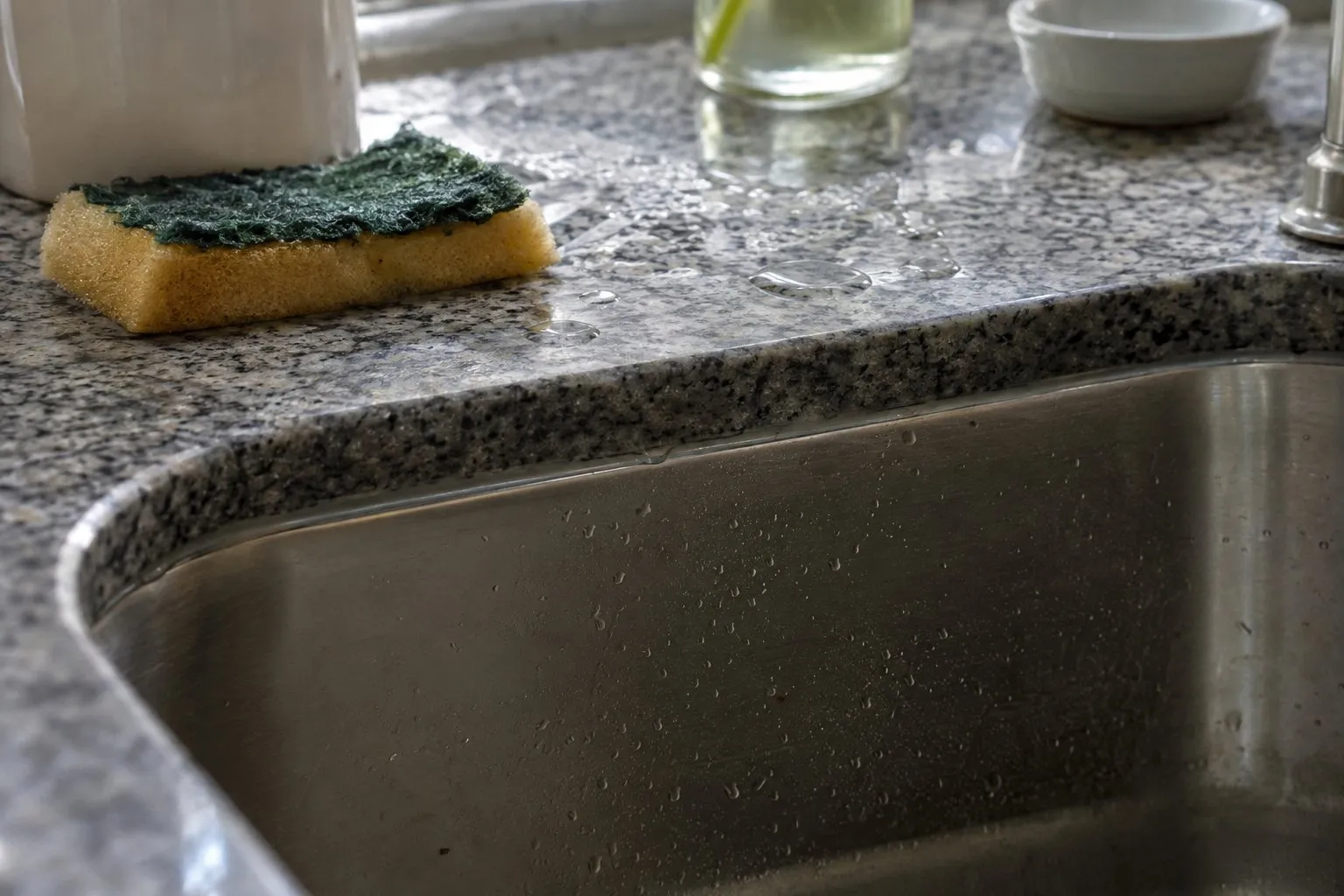 What to buyThe best picksThe best stainless steel kitchen sinks by what your kitchen needs: undermount, drop-in, double bowl and workstation, compared by makers' spec sheets.
- Question & answerCan a 33-Inch Sink Fit a 36-Inch Cabinet?Yes, a 33-inch sink usually fits a 36-inch cabinet. Which makers list that pairing, what else to measure, and when you should look at the old cutout first.
- Question & answerCan a 30-Inch Sink Fit a 30-Inch Cabinet?A 30-inch sink usually doesn't fit a 30-inch cabinet. What Yale Appliance and retailers say, the one maker figure that differs, and what to do instead.
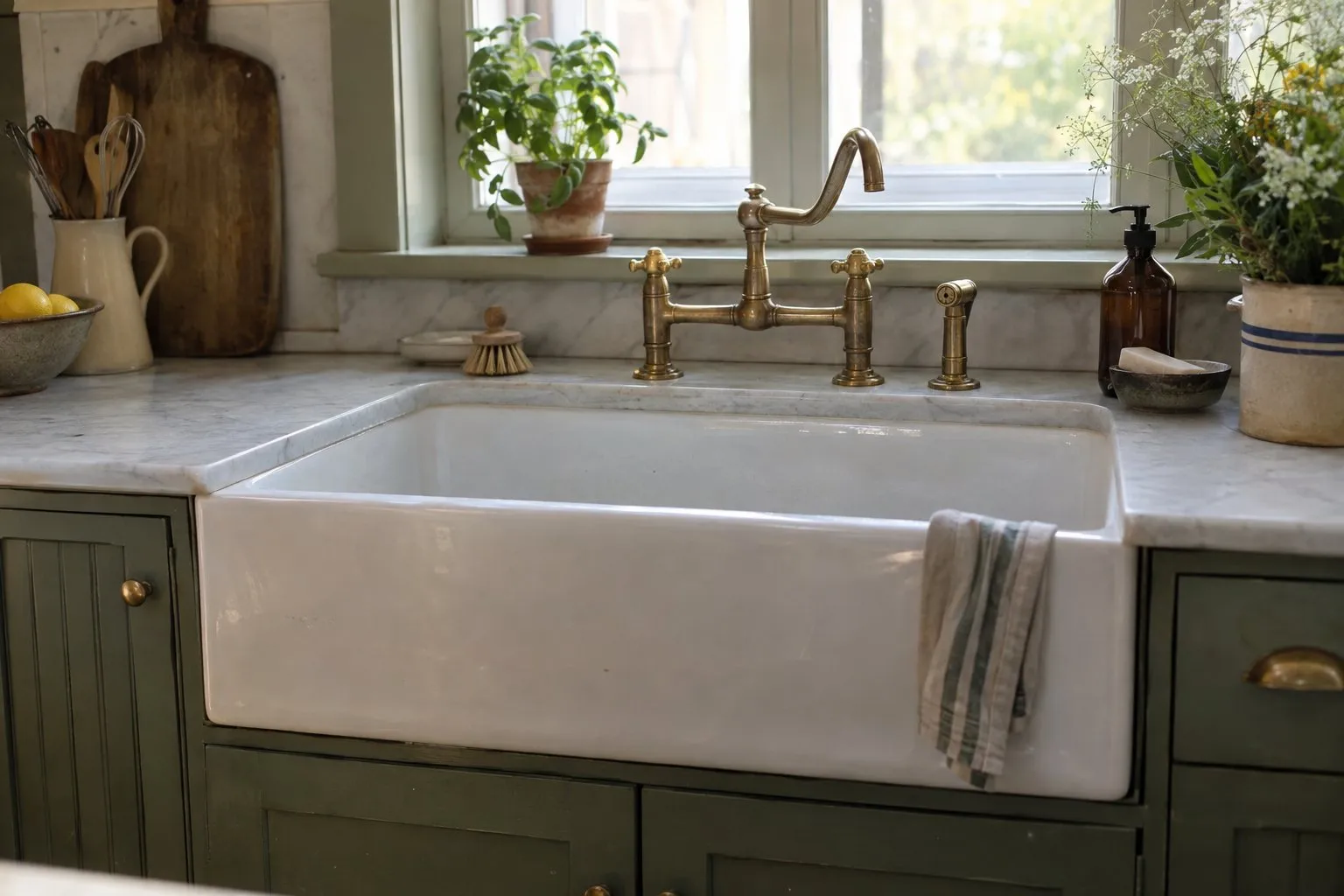 Good to knowSizes and cabinetsFarmhouse sink sizes with the cabinet makers ask for: 30, 33 and 36 inch sinks from KRAUS, Ruvati, BOCCHI and Kohler, and why you should plan for 3 inches extra.
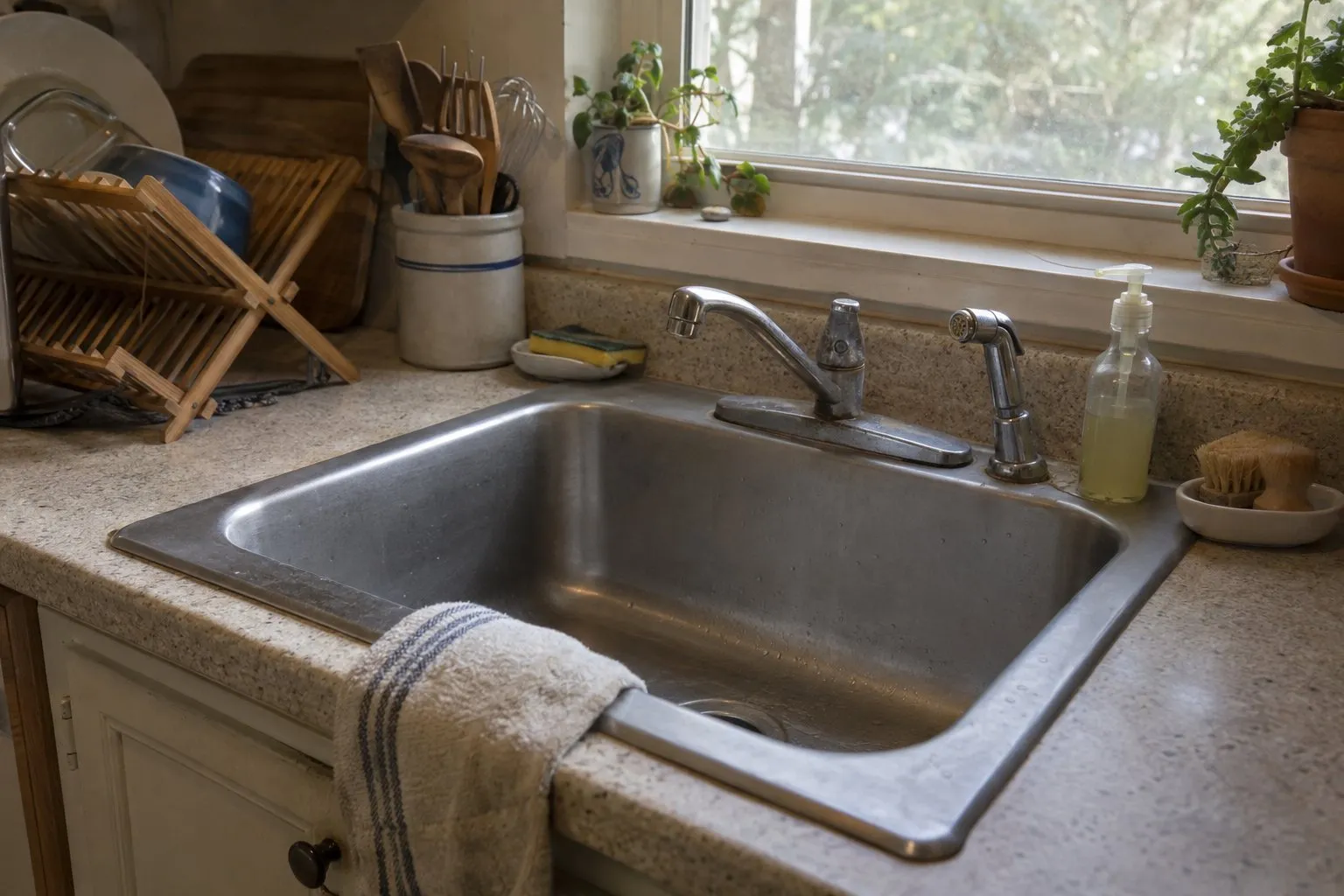 ComparisonUndermount or drop-inUndermount vs drop-in kitchen sink: which counters can take which, how cleaning, installation and replacement differ, and a simple way to decide for your kitchen.
Who writes this
stainlesssteelkitchensink.com Editorial Team
Kitchen sinks & fit
We are the editorial team at stainlesssteelkitchensink.com. We read makers' spec sheets, install manuals and care guides and turn them into plain-English buying advice, with sources on every page. We do not run lab tests, and we say so openly.
- Spec sheets & standards read
- Sources on every page
- No lab tests – stated openly
- Publisher details in the imprint