A kitchen guide to stainless sinks
Stainless Steel Kitchen Sinks, Chosen by What Fits Your Cabinet
Measure the cabinet before you fall for a sink. Your cabinet sets the size, your countertop sets the mounting, and only then do gauge and bowls matter. We keep it to those four choices.
- Fit before looks
- Makers' spec sheets, no lab
- Sources on every page
Image: AI-generated (OpenAI)
Disclosure: This page contains affiliate links (marked with *). If you buy through them, we earn a small commission at no extra cost to you. As an Amazon Associate I earn from qualifying purchases. Learn more
Solid counter and a 36-inch cabinet? Start with the KRAUS KHU100-32*: one big 10-inch-deep bowl in 16-gauge steel.
In short
A stainless steel kitchen sink is a basin formed from stainless sheet steel, sold by how it mounts, by bowl layout and by steel thickness, called gauge. Most kitchens with a 36-inch cabinet can take a sink of about 33 inches. On a solid counter, take the KRAUS KHU100-32. On laminate, take a drop-in such as the Delta Lorelai 33.
Start with your cabinet
Open the cabinet under your sink and measure the width across the outside. Type it in here. That one number rules out most of the wrong sinks.
Cabinet check
Look for a sink up to about
33 in
Rule of thumb: cabinet width minus 3 inches, from Yale Appliance. The minimum cabinet on the sink's spec sheet always wins, and some makers ask for more.
Then read what size sink fits your cabinet, because width isn't the only number that can catch you out. KRAUS, for one, also asks for 24 inches front to back.
Pick by what you want
Four kitchens, four sinks. Each of these has a spec sheet or maker's page behind it.
One big bowl
For a solid counter. Ten inches deep, with room for the big pan.
- Mounting
- Undermount
- Minimum cabinet
- 36 in wide, 24 in front to back
- Outside size
- 32 × 19 in
View on Amazon(paid link to Amazon, opens in a new tab)Ad · paid link · check price & delivery on AmazonLaminate counter
It drops in from above, with thick steel and a ledge for the board.
- Mounting
- Drop-in (top mount)
- Minimum cabinet
- 36 in
- Outside size
- 33 × 22 in
View on Amazon(paid link to Amazon, opens in a new tab)Ad · paid link · check price & delivery on AmazonTwo bowls
Soak on one side, rinse on the other. The low divider lets long pans lie across.
- Mounting
- Undermount
- Minimum cabinet
- 36 in
- Outside size
- 32-1/4 × 18-7/8 in
View on Amazon(paid link to Amazon, opens in a new tab)Ad · paid link · check price & delivery on AmazonFarmhouse look
The apron front in steel, which can't chip like a glazed bowl.
- Mounting
- Apron-front, set under the counter
- Minimum cabinet
- 33 in in the 2020 manual; 2017 guide says 3 in wider than the sink
- Outside size
- 32-7/8 × 20-3/4 × 10 in
View on Amazon(paid link to Amazon, opens in a new tab)Ad · paid link · check price & delivery on Amazon
What people ask first
Want every pick side by side? The best stainless steel kitchen sinks has them in one table, with cabinet sizes and bowl depths.
Find your sink
Three short questions, one sink, and the reason next to it.
Find your sink
Question 1 of 3
What is your countertop?
This one decides the most.
Measure the cabinet. Then fall in love.
Our shortlist in one line each
KRAUS KHU100-32. For one big, deep bowl on a solid counter. It's where we'd start. Delta Lorelai 33. For laminate counters, with a ledge and thick steel. Ruvati RVM4350. For two bowls on a solid counter. Ruvati RVH8300. For chopping and rinsing at the sink every day. KRAUS KHF200-33. For the apron look in steel. Ruvati RVM4136. For a bar or a second prep spot.
They all share one thing: we could read what the maker says about them, and each one tells you the cabinet it needs. A few other sinks turn up on this site as options, marked clearly when all we could read was the seller's listing.
Good to know before you buy
Your countertop picks the mounting for you
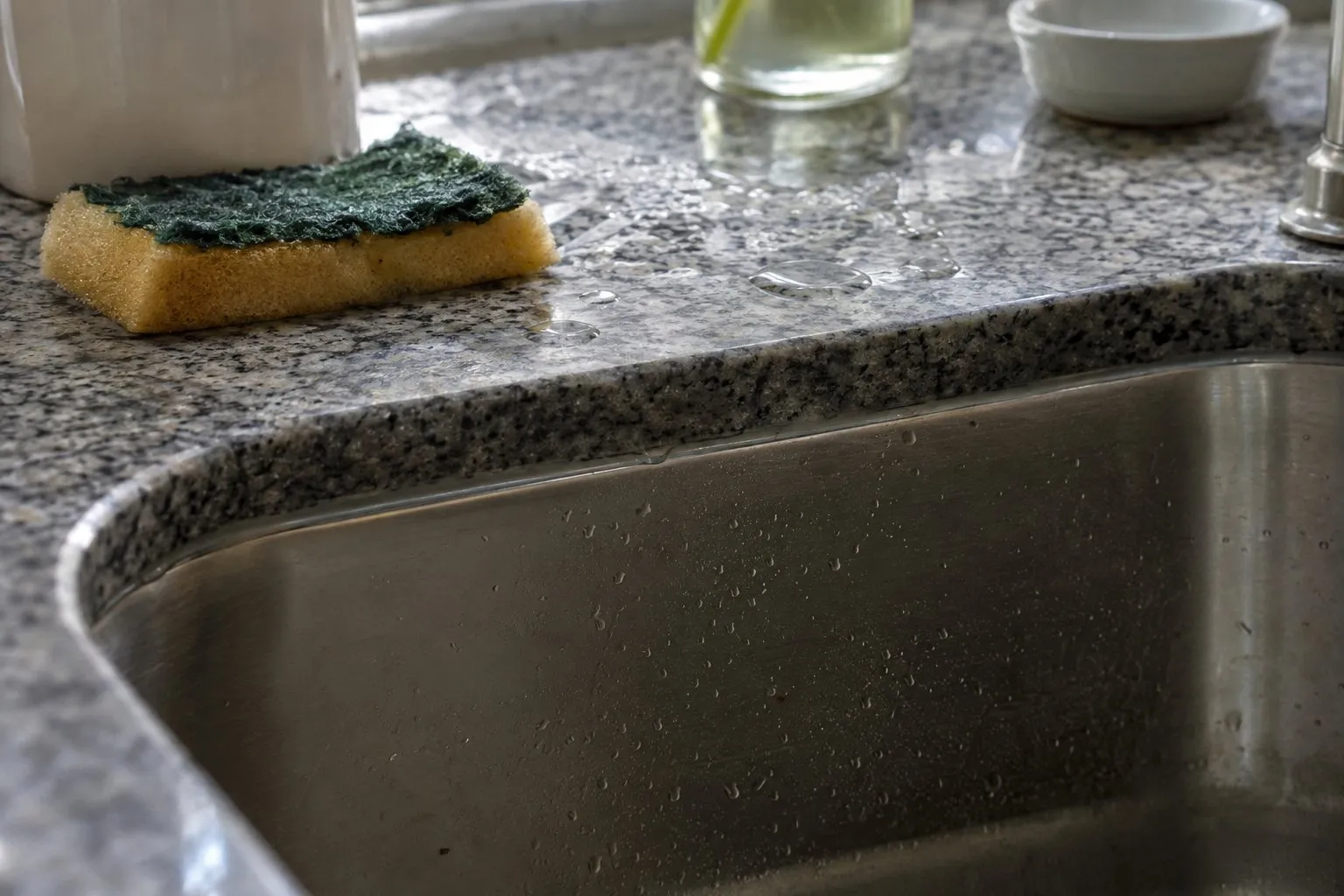
An undermount needs a solid slab, because the cut edge of the counter stays in view. Laminate is a poor match, Bob Vila says, since moisture can swell its core. A drop-in works with virtually any counter and is the simplest swap, as long as the new one is the same size.
A lower gauge number means thicker steel
Ruvati lists 16 gauge at 0.063 inches and 18 gauge at 0.047 inches. Thicker steel is less likely to dent. For the noise, read the line about pads and undercoating as well. Those two things do different jobs.
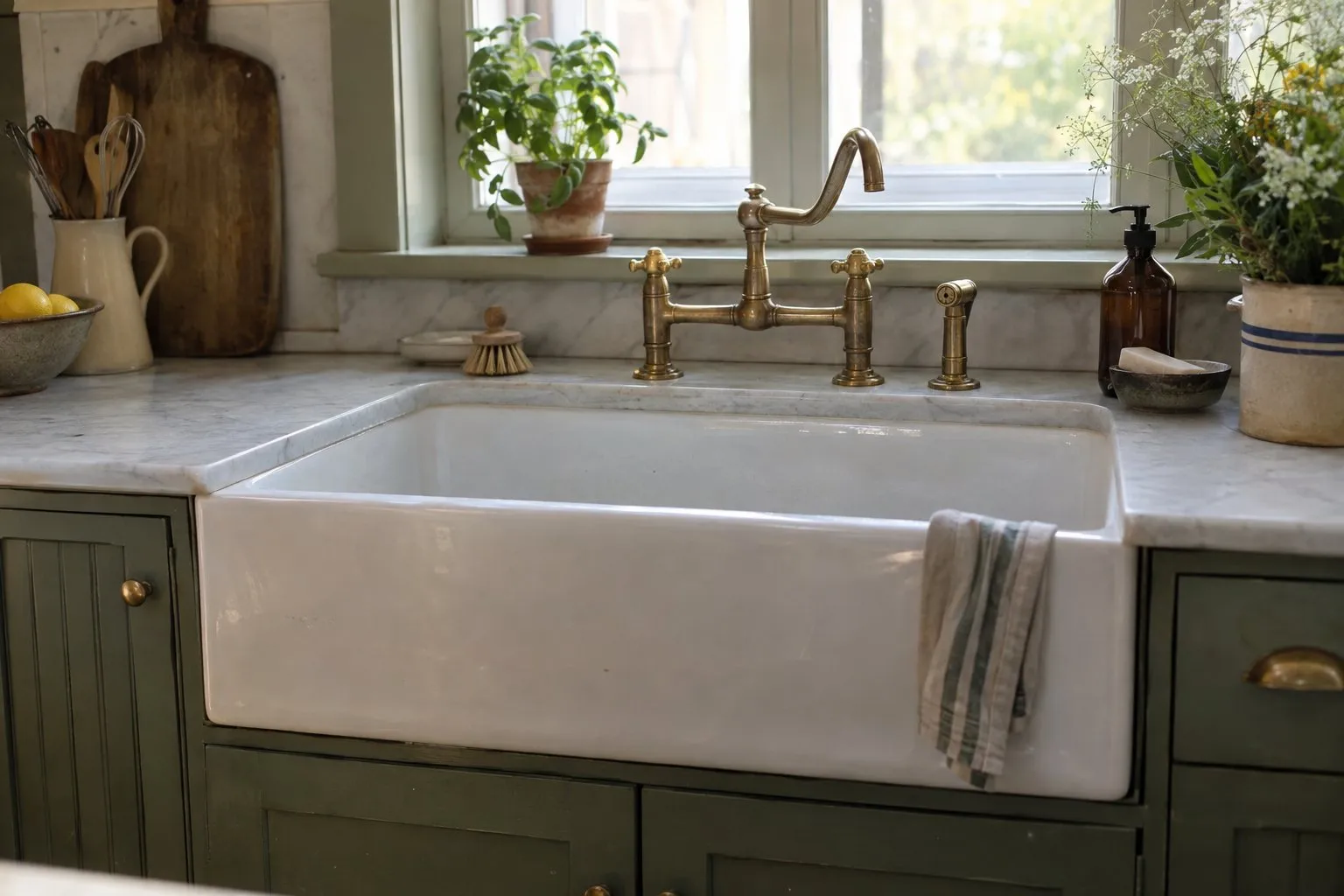
A farmhouse sink is a cabinet job too
It rests on supports inside the cabinet and not on the counter. In a standard cabinet the front has to be reworked and the doors cut down, The Sink Boutique says. Our farmhouse page says when that's worth it, and when a retrofit sink with a shorter apron makes more sense.
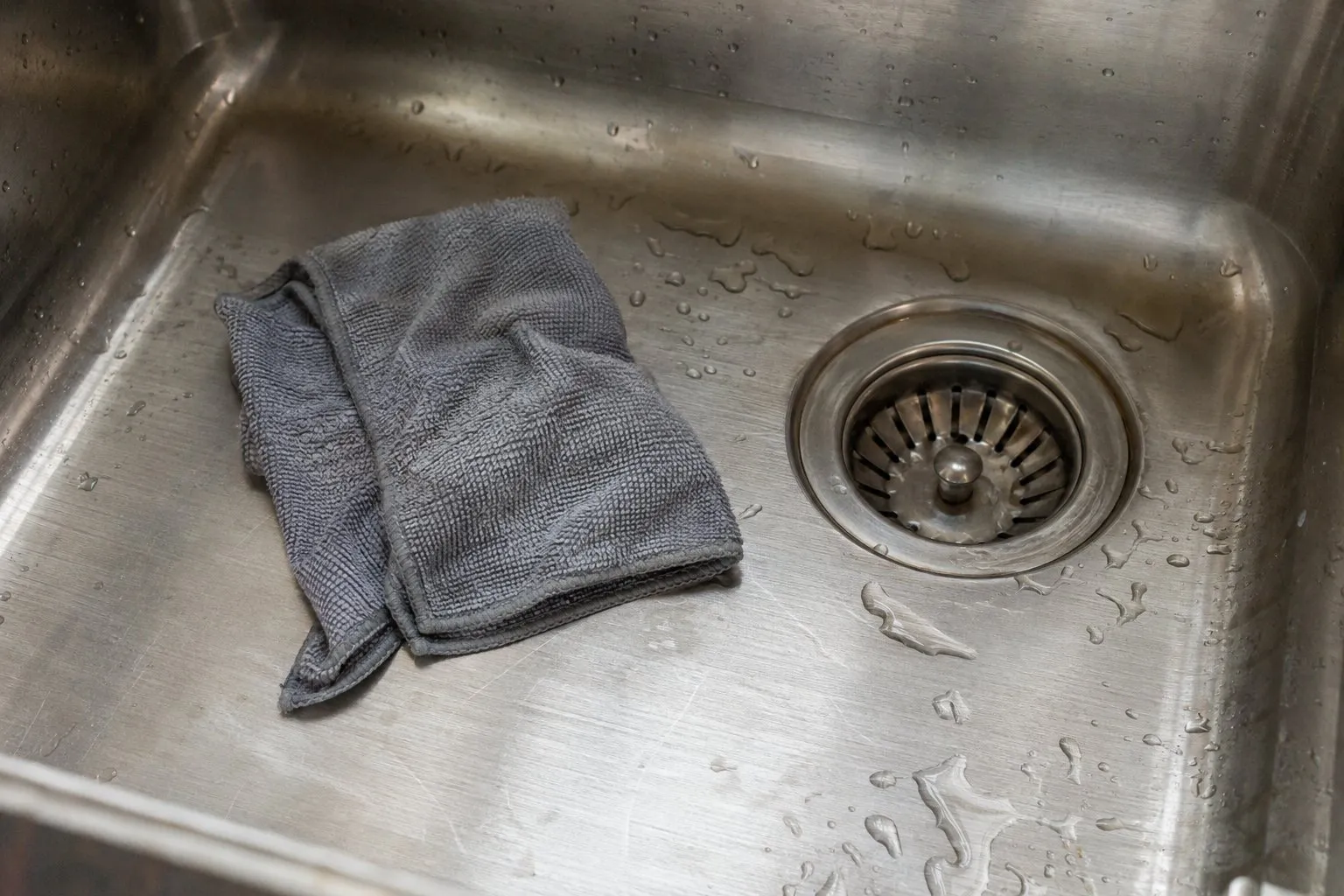
Most rust marks come from something else
Franke blames tiny iron particles from pipes and wire rods. Bob Vila points to damp cast iron left in the bowl. A sink grid, a dry cloth and the right cleaner prevent most of it.
We compare by makers' spec sheets, install manuals and care guides, and we run no tests of our own. How we compare says how a sink becomes a pick.
Asked before buying
What size sink fits a 36-inch cabinet?
Usually a sink of up to about 33 inches. Yale Appliance puts it as cabinet width minus 3 inches. The KRAUS KHU100-32, the Delta Lorelai and the Kohler Task all list a 36-inch minimum cabinet. Check the spec sheet of the exact sink, because the maker's number wins over any rule of thumb.
Is an undermount or a drop-in sink better?
Your countertop decides. An undermount sits under a solid counter such as granite, marble, quartz or solid surface, and you can wipe crumbs straight in. A drop-in sits on top with a visible rim and works with virtually any counter, including laminate. Bob Vila calls laminate a poor match for undermounts, because moisture can swell its core.
Is 16 gauge better than 18 gauge?
A lower number means thicker steel. Ruvati lists 16 gauge at 0.063 inches and 18 gauge at 0.047 inches, and says the thicker one is less likely to dent. That does not make 18 gauge wrong: Ruvati itself calls it often the best choice for most home kitchens, and Kohler builds its Task sink from it.
Why is the sink so loud?
Water and dishes make thin steel ring. Makers fight that with pads and undercoating on the outside of the bowl. KRAUS, Ruvati and Delta all list them on their sinks, so look for that line on the spec sheet and not only at the gauge number.
How do I keep a stainless sink looking good?
Wash it with mild soap, rinse it and dry it with a soft cloth. Skip steel wool, abrasive powders and bleach, which KRAUS, Franke and Blanco all warn against. Don't leave wet cast iron in the bowl either, since Bob Vila names it as a source of orange rust marks.
Where this comes from
Read next
- What to buyThe best picksThe best stainless steel kitchen sinks by what your kitchen needs: undermount, drop-in, double bowl and workstation, compared by makers' spec sheets.
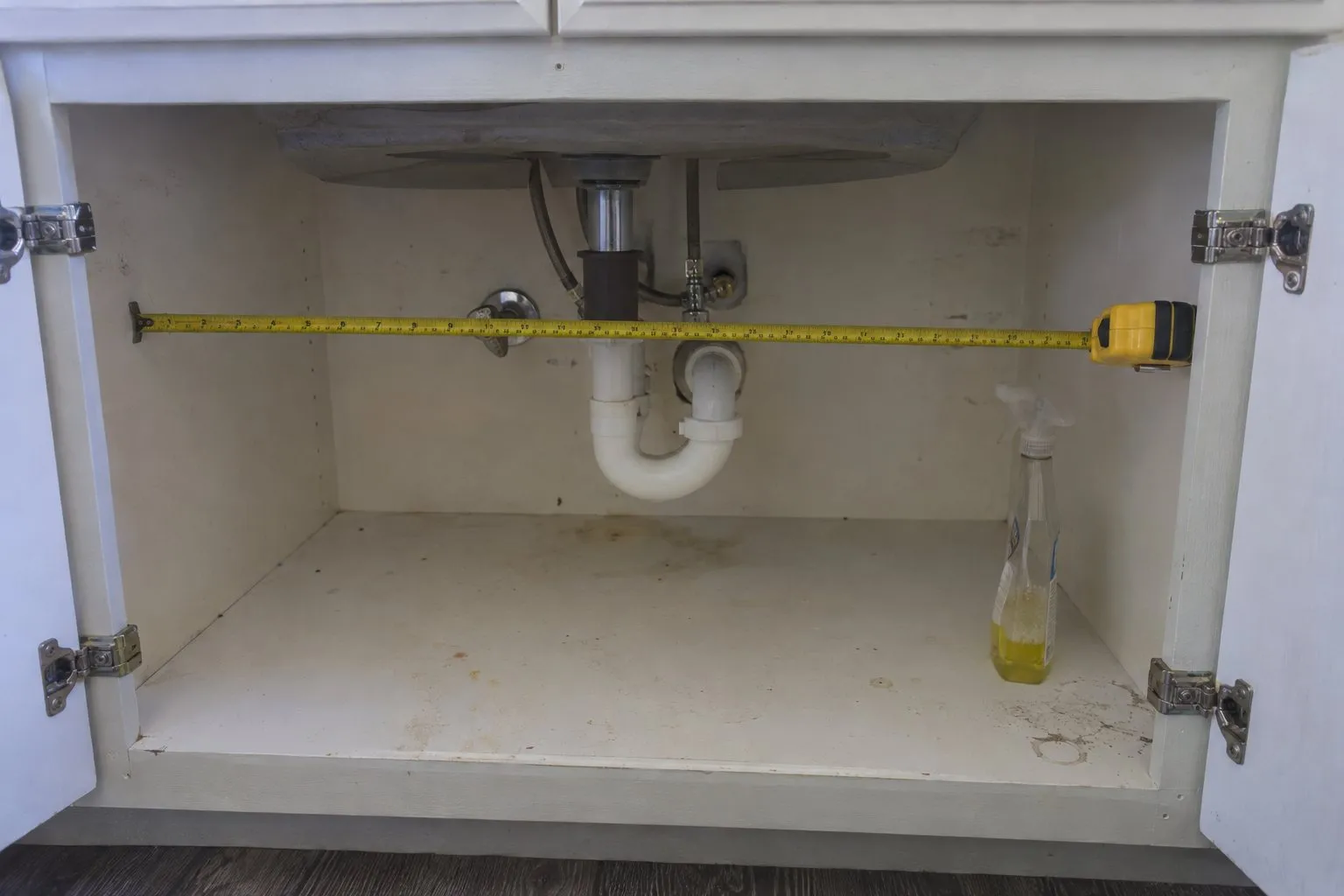 Good to knowWhat size fitsWhat size sink fits your cabinet: take the base width minus 3 inches, then check the maker's minimum cabinet. A size table, how to measure, and what to watch.
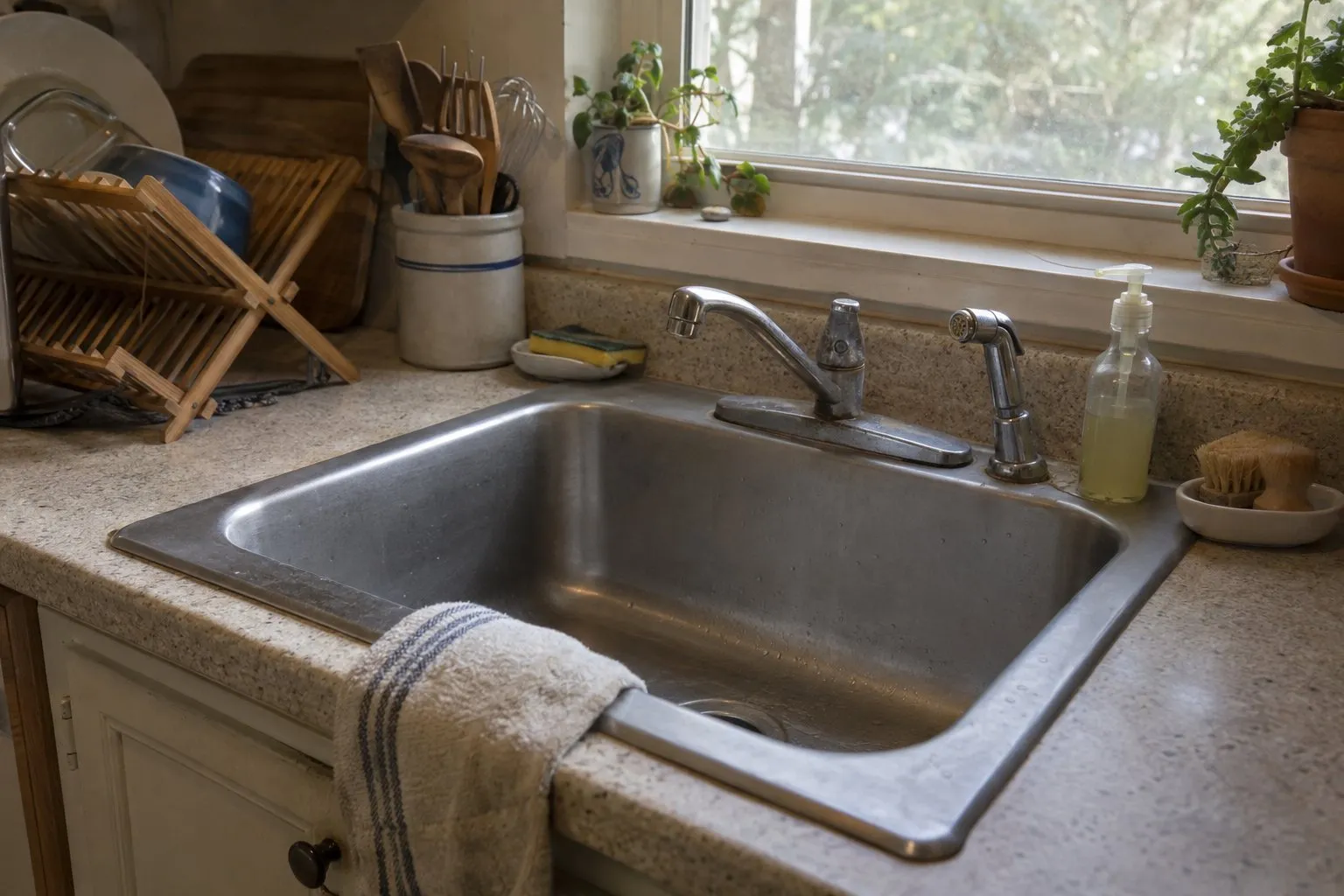 ComparisonUndermount or drop-inUndermount vs drop-in kitchen sink: which counters can take which, how cleaning, installation and replacement differ, and a simple way to decide for your kitchen.
- About usHow we compareHow our sink picks come about: which spec sheets, manuals and care guides we read, what we check first, what we don't do, and how this site is funded.
Who writes this
stainlesssteelkitchensink.com Editorial Team
Kitchen sinks & fit
We are the editorial team at stainlesssteelkitchensink.com. We read makers' spec sheets, install manuals and care guides and turn them into plain-English buying advice, with sources on every page. We do not run lab tests, and we say so openly.
- Spec sheets & standards read
- Sources on every page
- No lab tests – stated openly
- Publisher details in the imprint