Question & answer
Why Is My Stainless Steel Sink So Loud?
It's the steel ringing when water and dishes hit it. Makers quiet it with pads and undercoating on the outside of the bowl. Thicker steel can help as well. If you're buying, read the sound line on the spec sheet and not only the gauge.
Disclosure: This page contains affiliate links (marked with *). If you buy through them, we earn a small commission at no extra cost to you. As an Amazon Associate I earn from qualifying purchases. Learn more
The short answer
Steel rings when water and dishes hit it. Makers fight that with pads and undercoating on the outside of the bowl: KRAUS, Ruvati and Delta all list them. Ruvati also says 16 gauge reduces noise better than 18. So when you buy, check for pads and undercoating as well as gauge. A grid can also stop dishes hitting the steel directly.
On this page
Sheet steel is thin, and it rings like any thin metal. Everything makers add for noise is there to deaden that ring.
What the makers list
| Maker and sink | What the sheet says |
|---|---|
| KRAUS KHU100-32 | NoiseDefend undercoating and sound dampening pads |
| Ruvati stainless collection | Thick rubber padding against noise and condensation |
| Delta Lorelai 33 | Pads over more than 80 % of the sink, plus anti-condensation undercoat |
| Elkay Dayton double, #22 gauge | Undercoating on the bottom of the bowl to dampen sound |
None of them publishes a noise figure we could read, so we can't rank them. Coverage is one clue: Delta states how much of the sink is padded, and Elkay says its coating is on the bottom of the bowl.
Does thickness help?
Ruvati says 16 gauge offers better noise reduction and calls 18 gauge potentially noisier. Its stainless collection is all 16 gauge, so bear that in mind. 16 or 18 gauge has the whole comparison, and is 18 gauge good enough is the short answer.
If you're buying
Find the sound line on the sheet. If there isn't one, look under the sink in the photos or ask. The Delta Lorelai 33* is the one that says most about coverage. The best sinks compares all the picks.
If you already own it
Look underneath for pads or a coating. A sink grid keeps dishes from hitting the steel directly, though it won't quiet running water.
Asked before buying
Can I make my existing sink quieter?
We read no maker's instructions for adding padding to an installed sink, so we can't recommend a method. Check whether yours has pads by looking under it. A bottom grid at least keeps pans and cutlery from hitting the steel directly, which KRAUS recommends for protecting the finish.
Do undercoating and pads also stop condensation?
Makers say so. Ruvati says its rubber padding reduces noise and condensation, and Delta lists an anti-condensation undercoat alongside its pads. That moisture would otherwise form underneath the sink, in your cabinet.
Where this comes from
Read next
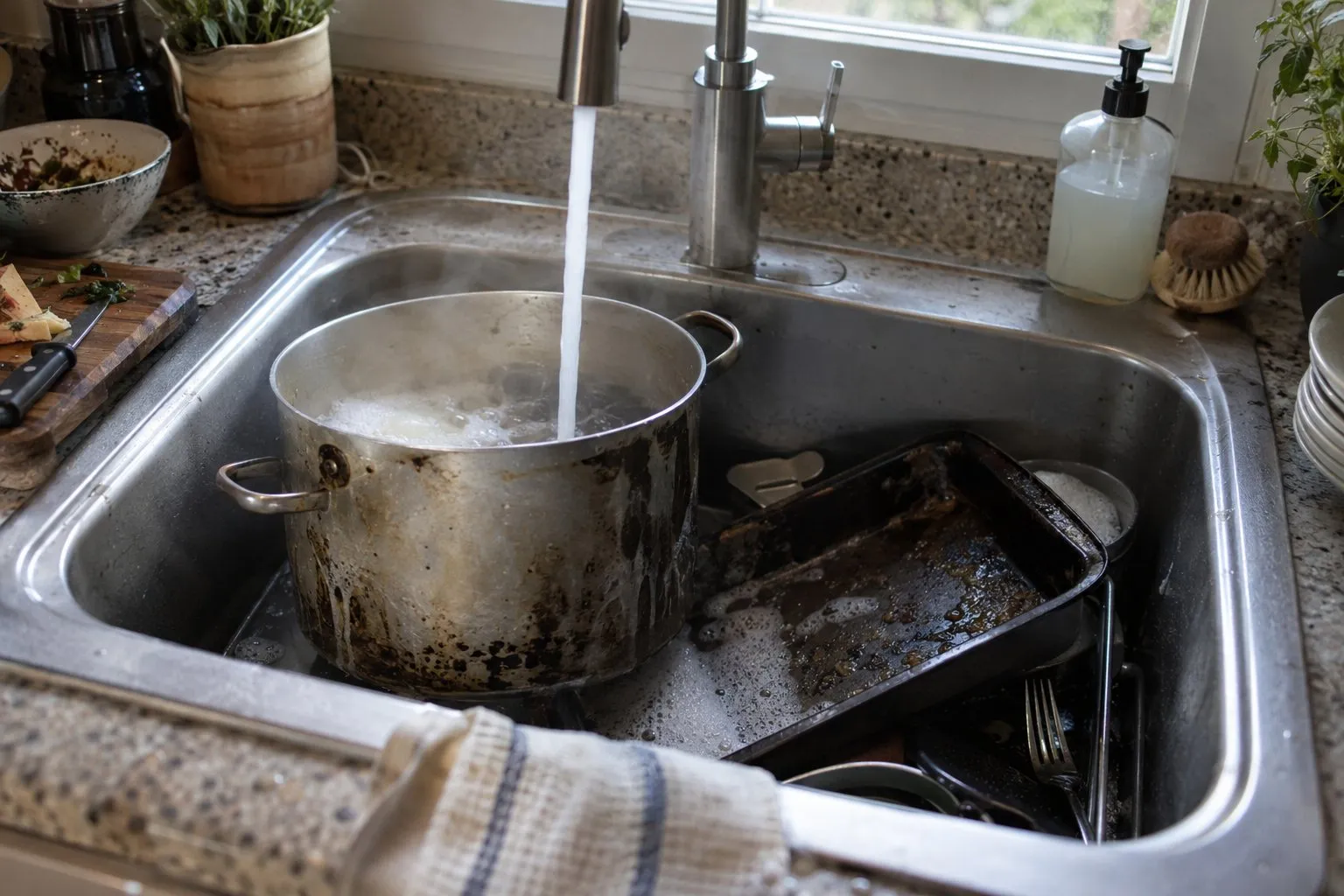 Comparison16 or 18 gauge16 vs 18 gauge stainless steel sinks: a lower number means thicker steel. What that changes for dents and noise, and when 18 gauge is plenty for your kitchen.
- Question & answerIs 18 Gauge Good Enough for a Kitchen Sink?Yes, 18 gauge is good enough for most ordinary kitchens, and even Ruvati says so on one page. When to step up to 16 gauge, and what else to check on the listing.
- Good to knowSink gridsA stainless steel sink grid keeps pans off the bowl and protects the finish, KRAUS says. Which picks include one, how to choose one, and how to keep it clean.
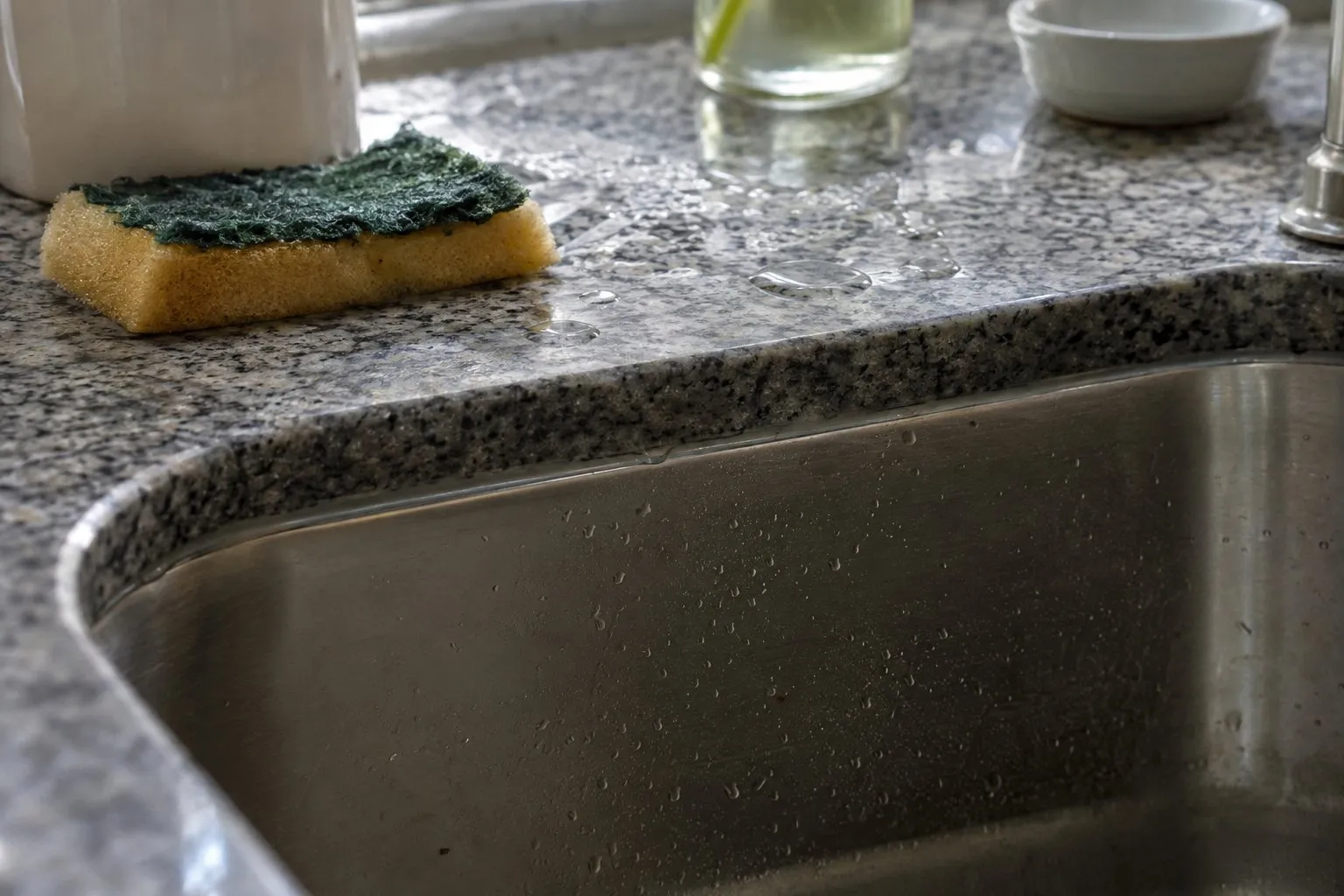 What to buyThe best picksThe best stainless steel kitchen sinks by what your kitchen needs: undermount, drop-in, double bowl and workstation, compared by makers' spec sheets.
Who writes this
stainlesssteelkitchensink.com Editorial Team
Kitchen sinks & fit
We are the editorial team at stainlesssteelkitchensink.com. We read makers' spec sheets, install manuals and care guides and turn them into plain-English buying advice, with sources on every page. We do not run lab tests, and we say so openly.
- Spec sheets & standards read
- Sources on every page
- No lab tests – stated openly
- Publisher details in the imprint